

Cortisol - the good, the bad, and the ugly. Let's dive in.
If you have spent any time on social media lately, you could be forgiven for thinking cortisol is the villain behind every health complaint known to humanity. Puffy face? Cortisol. Extra weight? Cortisol. Misplaced car keys? Probably cortisol if the internet has its way. However, experts explain that cortisol is not a hormone you need to eliminate.

The surprising science of music and health.
You probably already know that music can improve your mood, help you focus, or make a workout feel a little less painful. What you might not know is that scientists have also been exploring whether music can affect the body at a cellular level.
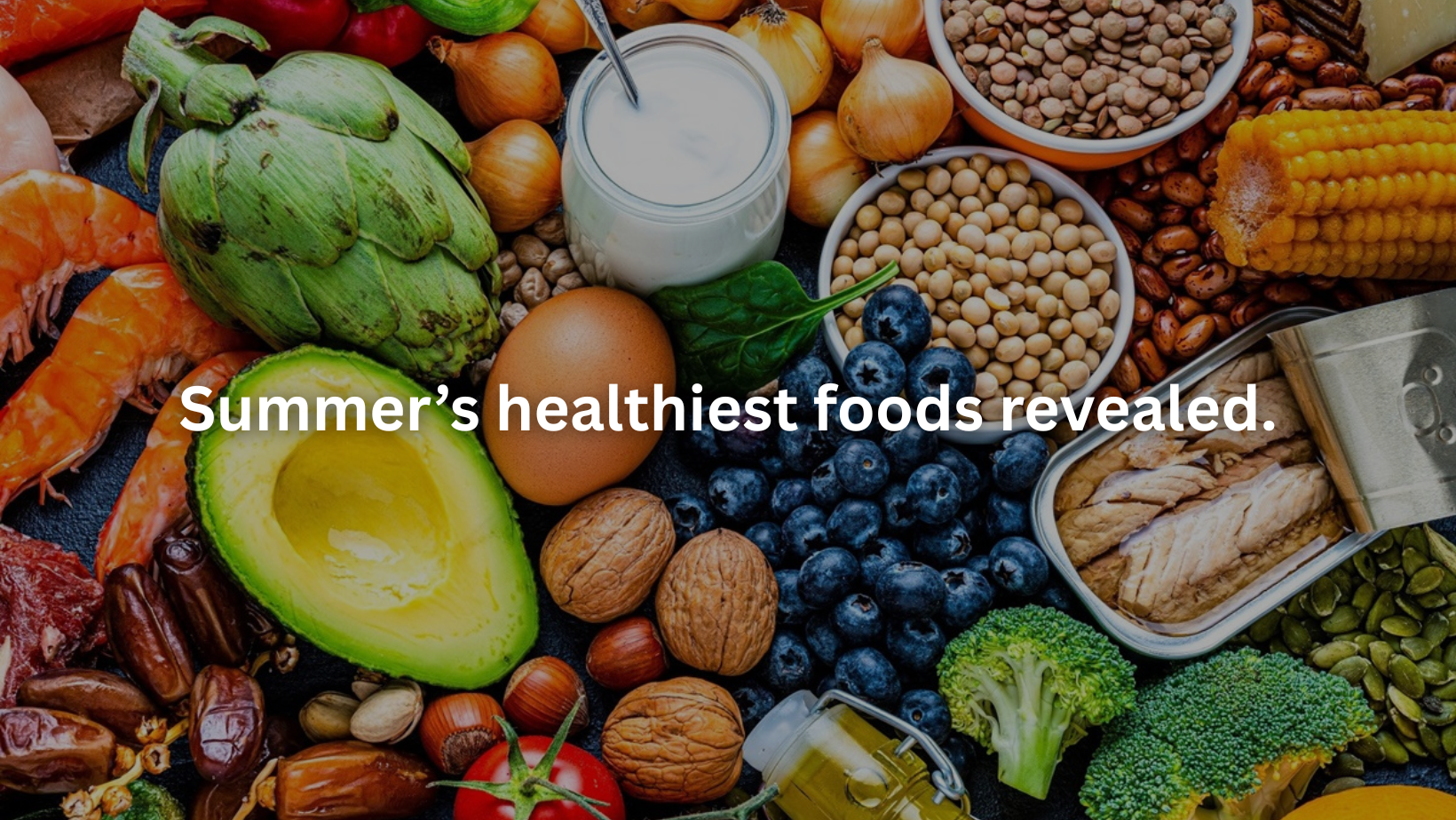
Summer’s healthiest foods revealed.
If summer eating usually means grabbing whatever is cold, colourful, and within arm’s reach of the fridge, you are already halfway to a healthier diet. According to a report in The TimesUK, some of the season’s best foods are also among its most nutritious.
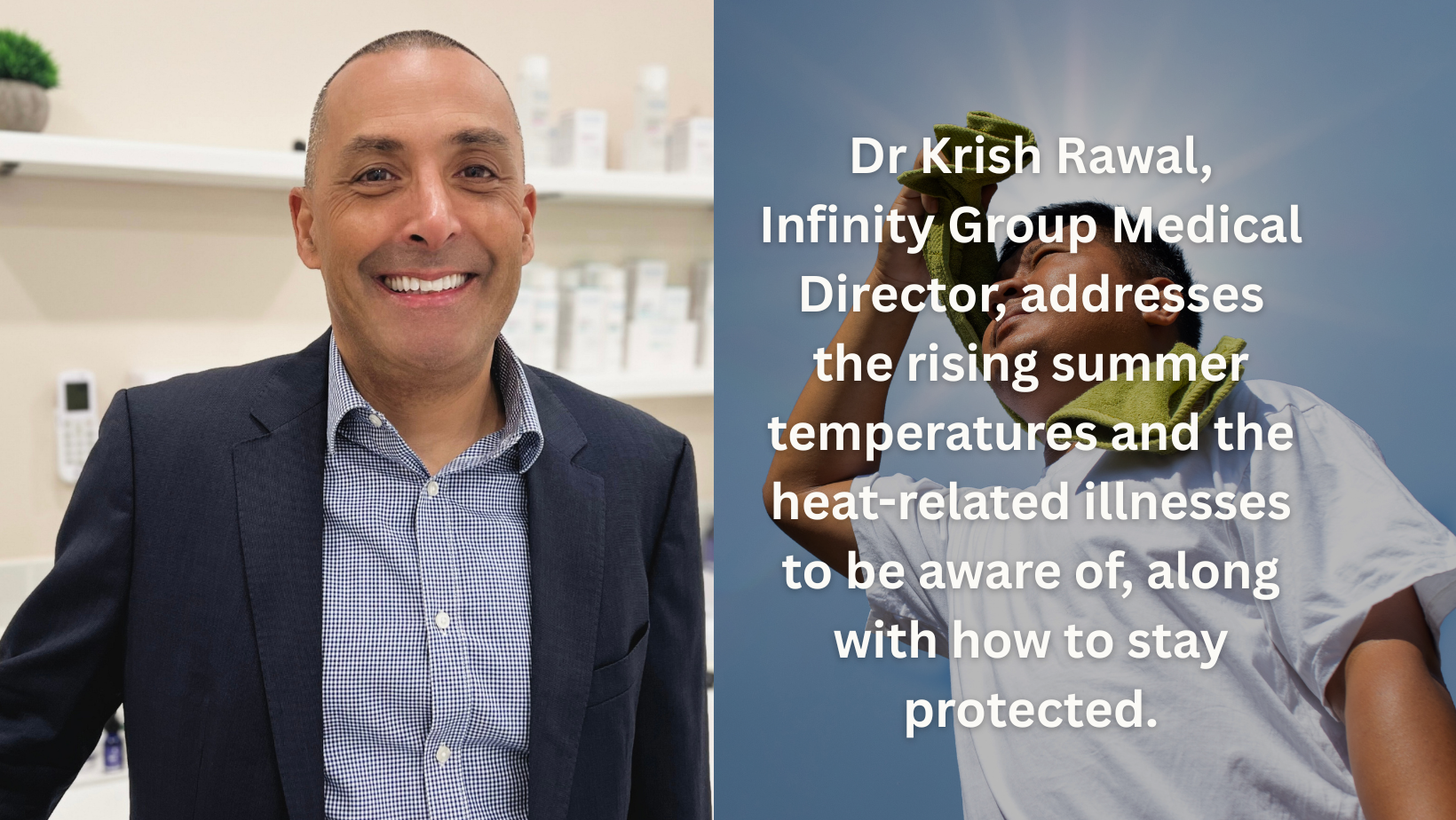
Infinity Group Medical Director, Dr Krish Rawal addresses the rising temperatures this summer and heat-related illnesses we should be aware of.
Dr Krish Rawal, Infinity Group Medical Director, addresses the rising summer temperatures and the heat-related illnesses to be aware of, along with how to stay protected.

A scoop of happiness with a surprising healthy side.
Nothing says summer quite like an ice cream on a warm afternoon, and it turns out your favourite frozen treat might have more going for it than simply cooling you down. While ice cream is still best enjoyed in moderation, researchers are increasingly exploring how it can be made more nutritious by adding ingredients such as probiotics, fibre, extra protein, and fruit.

We Are Proud to Be Nominated!
We are incredibly proud to announce that Moniques Bistro & Café has been nominated for Gibraltar’s Best Restaurant 2026 at the World Culinary Awards. This nomination is a true reflection of the passion, dedication, and hard work that goes into every dish we serve and every experience we create for our guests.

Kimchi could help your body flush out nanoplastics.
If you needed another excuse to pile a little more kimchi onto your plate, science may have just served one up. Researchers at the World Institute of Kimchi have identified a naturally occurring probiotic called Leuconostoc mesenteroides CBA3656 that appears to latch onto harmful polystyrene nanoplastics inside the gut.
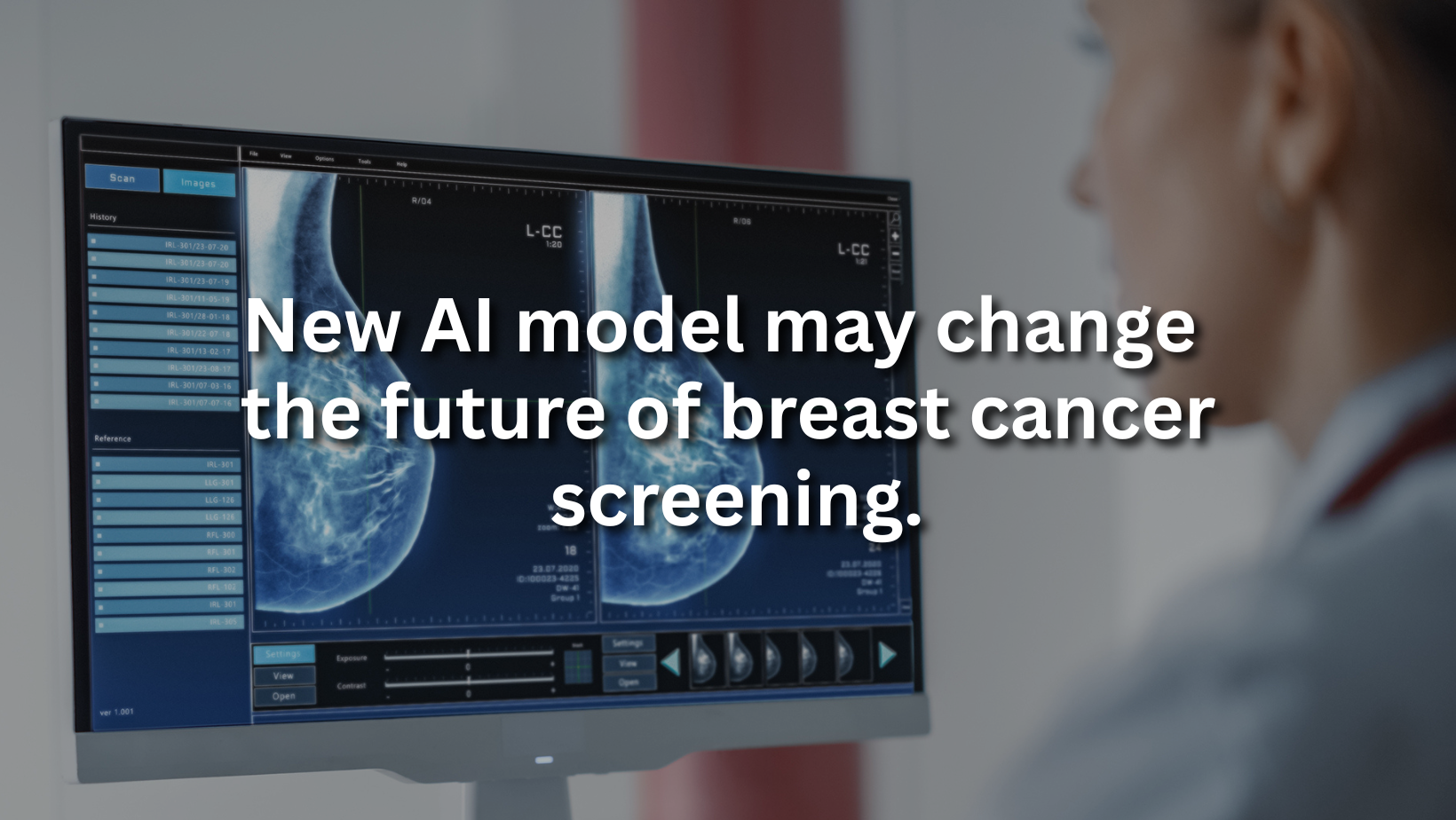
New AI model may change the future of breast cancer screening.
Breast cancer screening could soon become a lot more personal, thanks to a clever new artificial intelligence model developed by researchers at Duke University. The system, called AsymMirai, looks for tiny differences between your left and right breast tissue on routine mammograms.
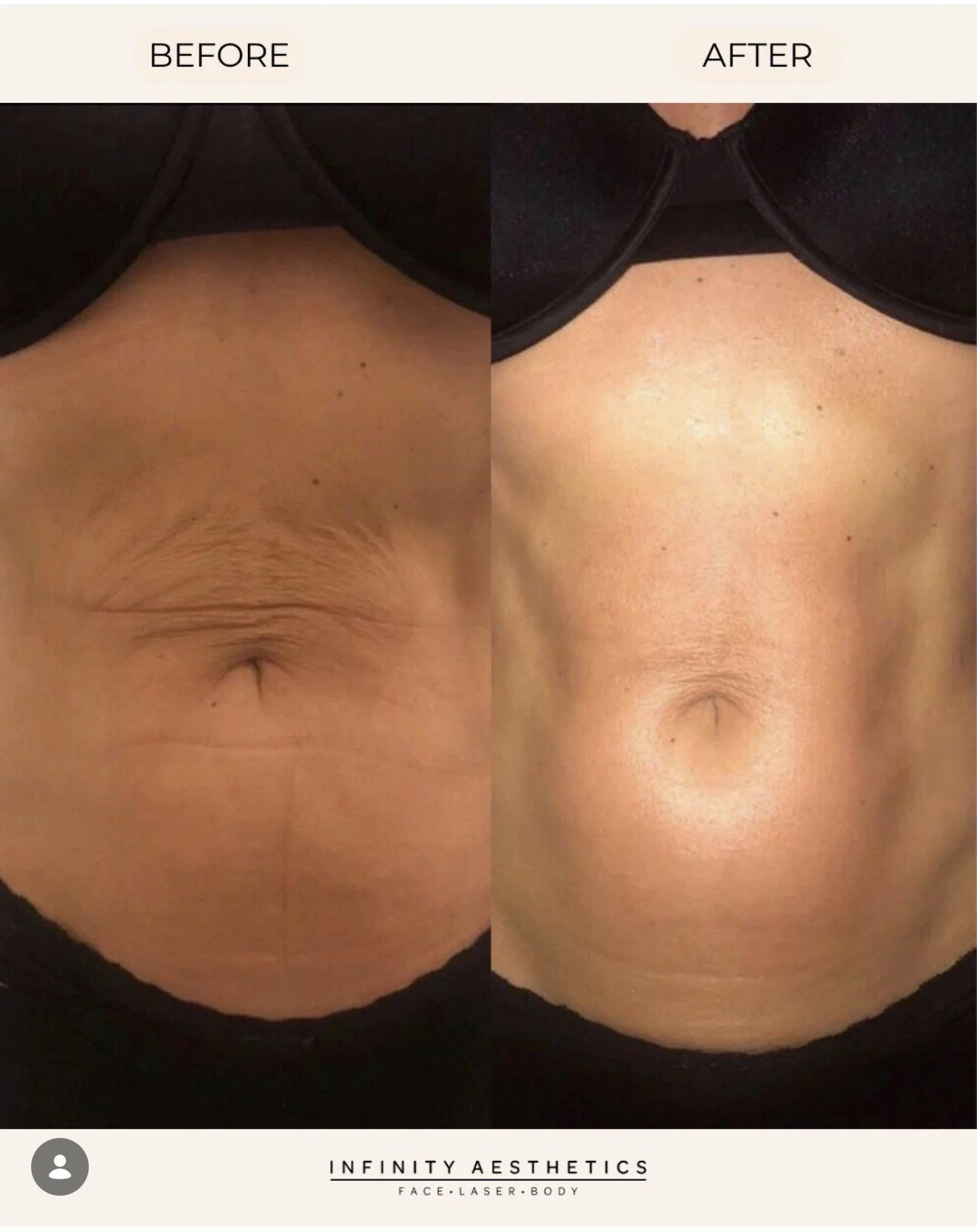
Be summer ready with LipoShape Pro, at Infinity Aesthetics.
Get ready to love your reflection: LipoShape Pro is a comfortable, non‑surgical body‑contouring treatment that uses gentle ultrasound, radiofrequency, vacuum and LED to target stubborn pockets of fat, help your body clear them, and tighten the skin for a visibly smoother, firmer silhouette.

Ready to take the plunge and discover the power of cold water?
Stepping into a cold plunge pool may sound like the last thing you want to do, especially when your body is already complaining about getting older, but science suggests that a few chilly minutes could deliver some surprisingly warm rewards.
My Experience with the New Cryotherapy and Halocab Treatments at Infinity Wellness (by Dr Reena Virdi).
This week I'm taking a short break from my usual women's health topics to share my experience of two new treatments now available at the recently opened Infinity Wellness Centre: theCryotherapy Chamber and the Halocab.
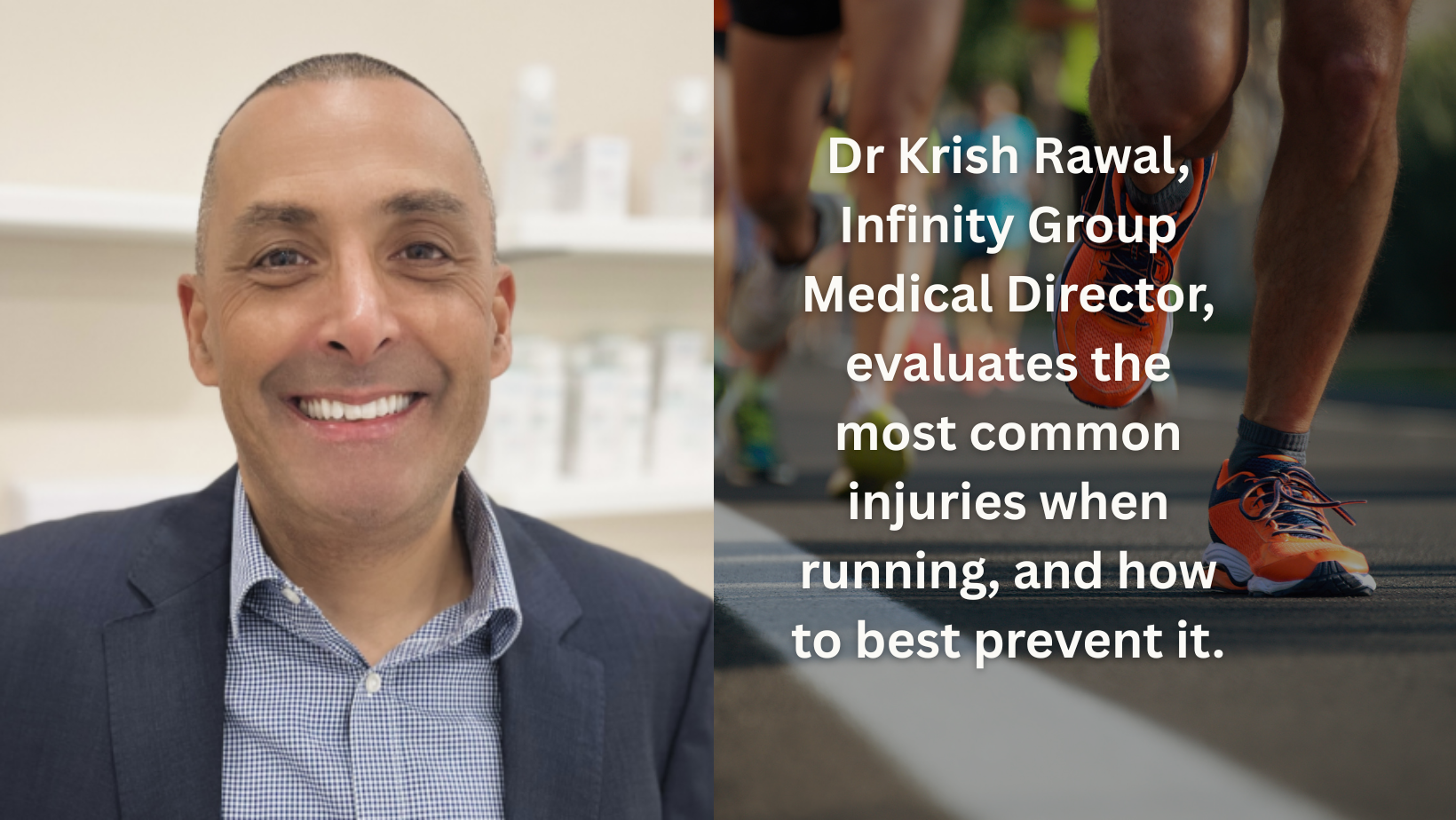
Dr Krish Rawal, Infinity Group Medical Director, evaluates the most common injuries when running, and how to best prevent it.
I was reading an article last week about injuries in runners and how even minor injuries can often lead to people giving up running. As running seems to be one of the most popular and low maintenance forms of exercise throughout the world, I thought an article would be worth writing.
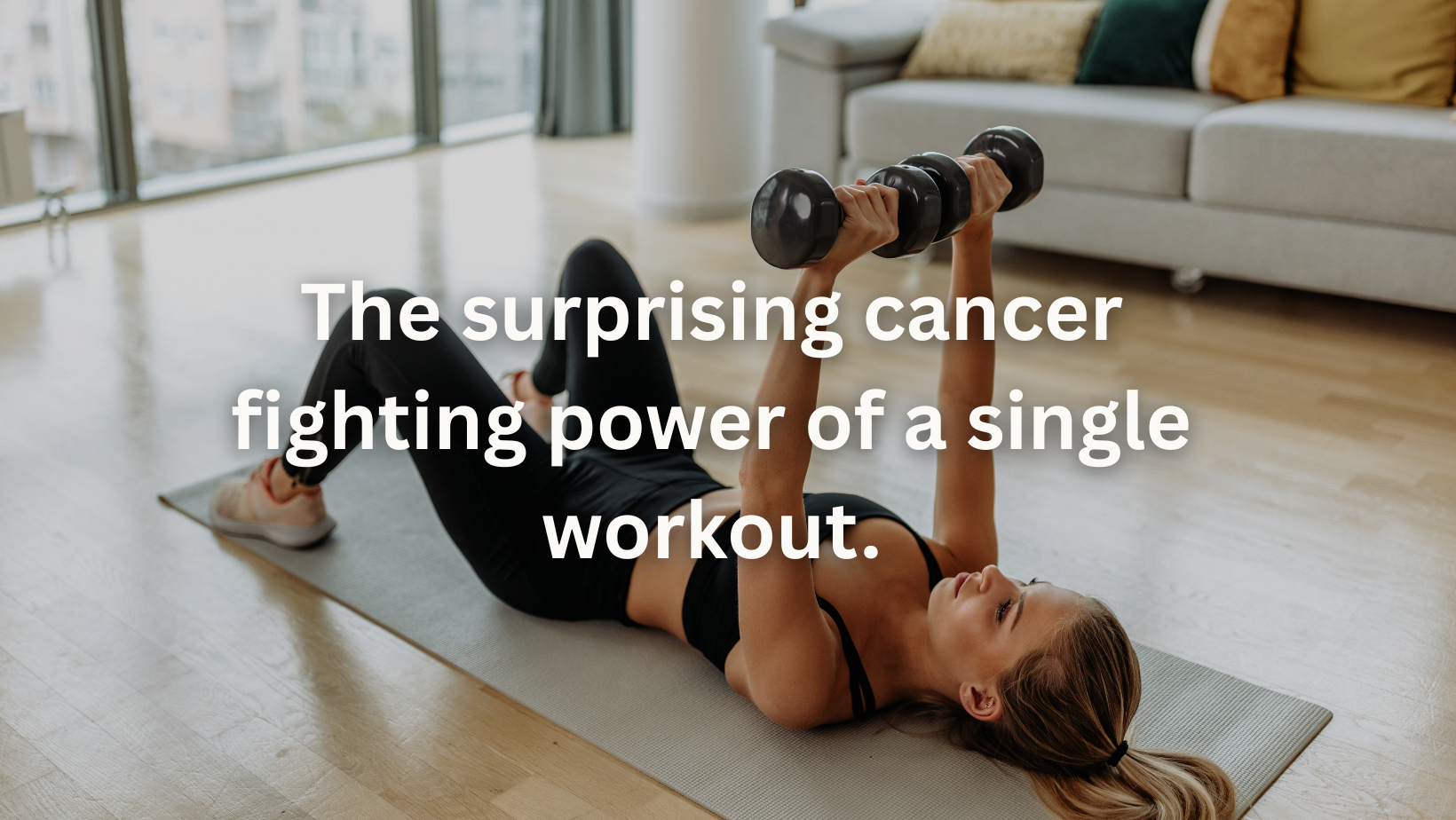
The surprising cancer fighting power of a single workout.
Most of us think of exercise as something that keeps our waistlines in check and helps us justify an extra biscuit with tea. Scientists are discovering it may do something even more impressive. Researchers at Australia’s Edith Cowan University found that a single session of either resistance training or high intensity interval training can trigger the release of proteins called myokines, which appear to have anti-cancer properties.
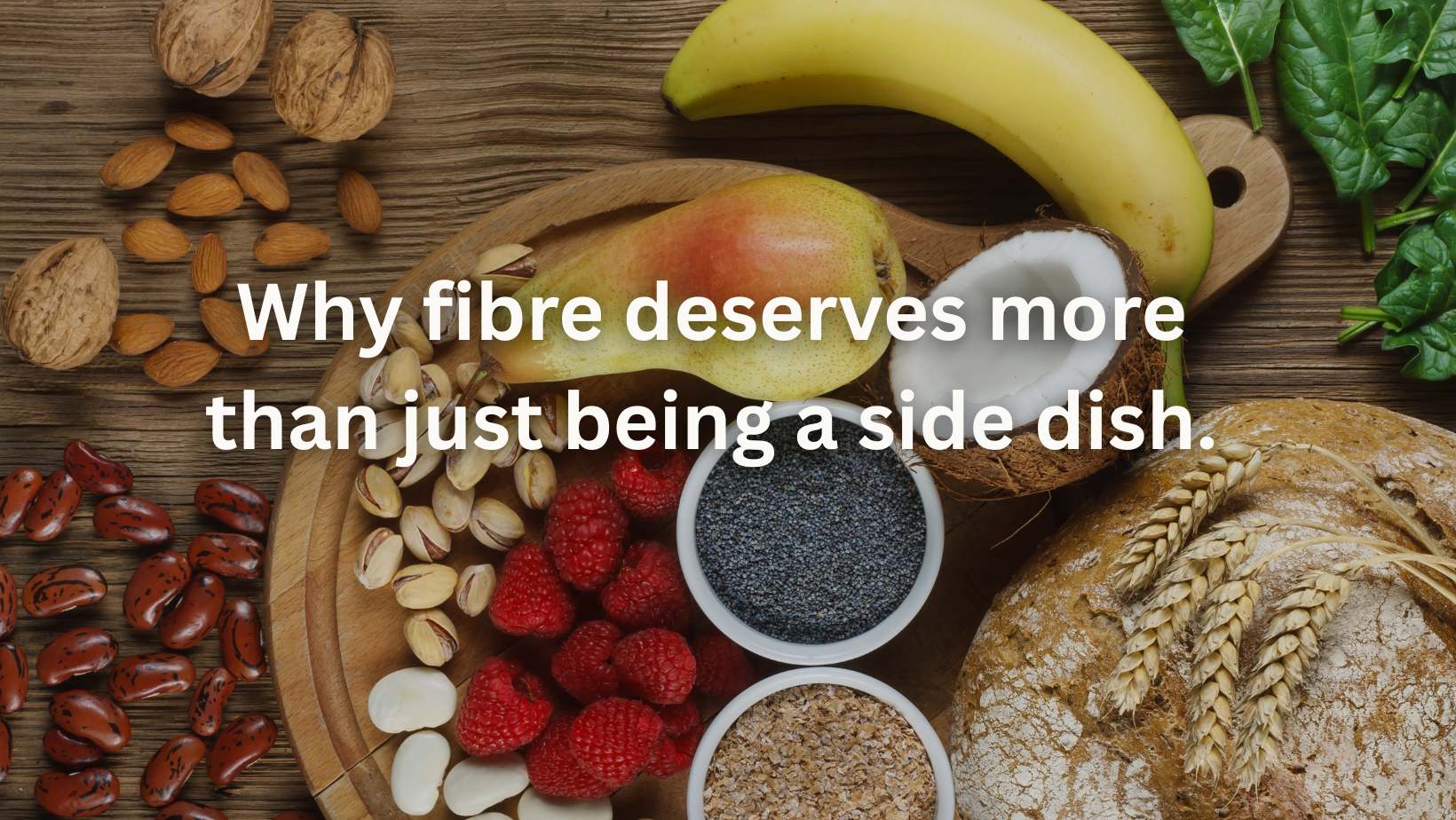
Why fibre deserves more than just being a side dish.
Fibre has become the nutritional star of 2026, although it still suffers from the image problem of being associated with bran and earnest breakfasts. In reality, your digestive system is rather fond of the stuff. According to government recommendations, you should be aiming for 30 grams a day, yet Dr Emily Leeming, scientist, dietitian and researcher at King’s College London, says the average Brit consumes only about 16 grams. Around 96 per cent of adults fall short of the target.
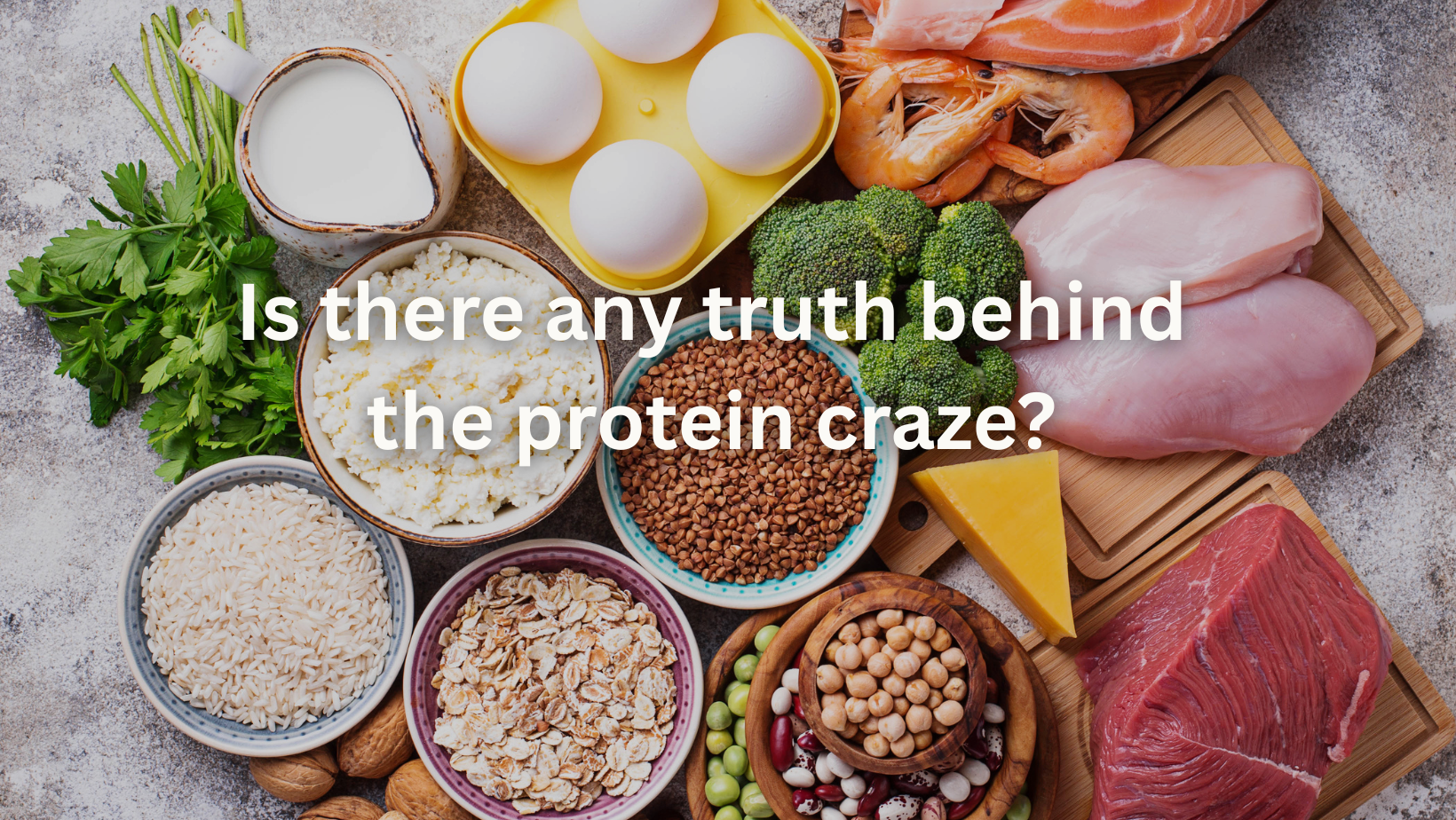
Is there any truth behind the protein craze?
Protein has become the Beyoncé of the nutrition world. It is everywhere, it gets all the attention, and somehow it has convinced everyone it can do no wrong. Supermarket shelves are packed with high protein breads, yoghurts, cereals, crisps, cakes and even beer. The Times UK reports that the sports nutrition market has grown to an estimated £1.1 billion.
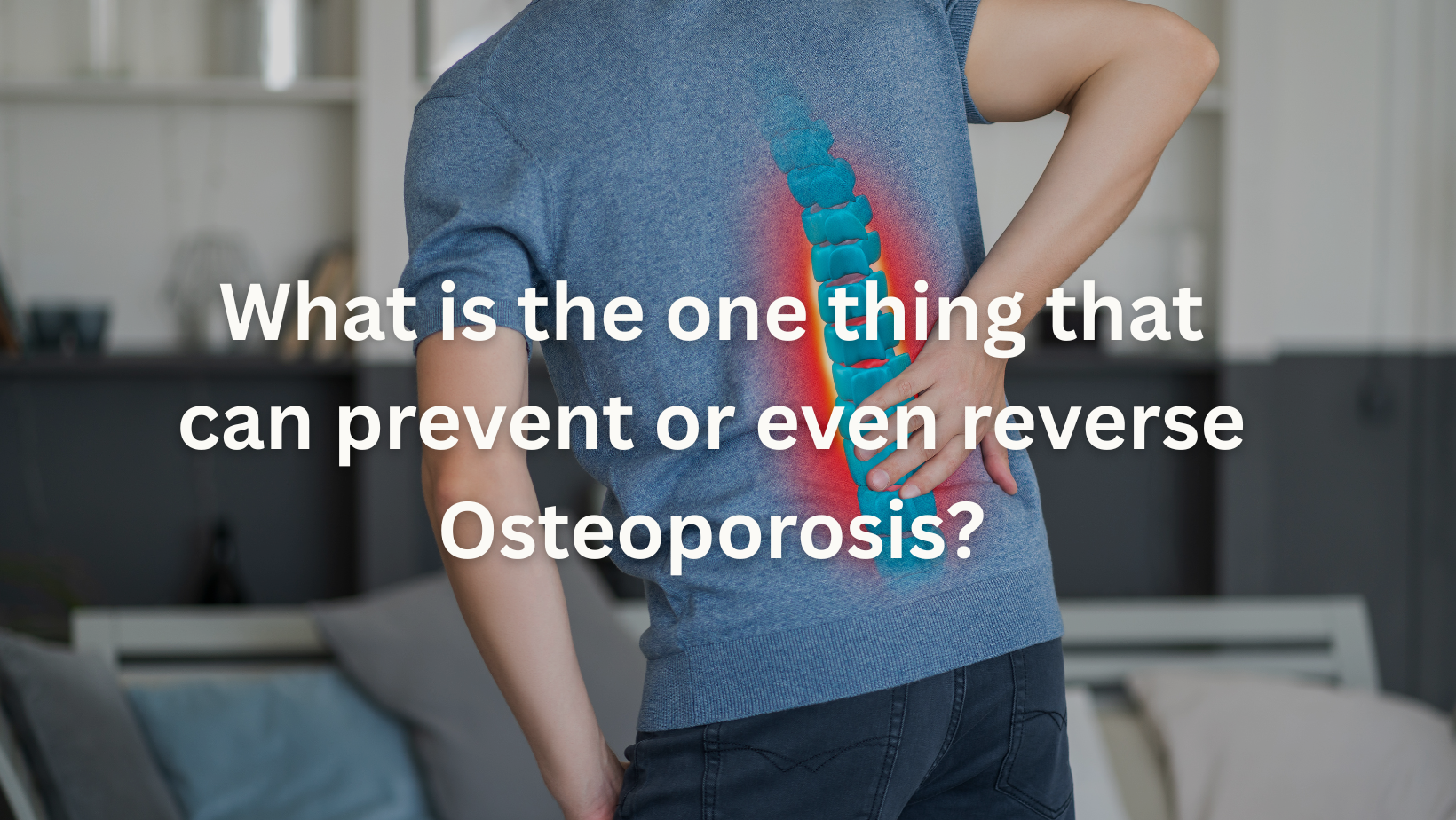
What is the one thing that can prevent or even reverse Osteoporosis?
If you imagined osteoporosis as something that simply arrives one day like an unwelcome house guest, think again. The condition affects around 3.5 million people in the UK and causes approximately one fracture every minute, according to the Royal Osteoporosis Society. Journalist Anna Maxted discovered she had osteoporosis in her mid-fifties despite eating well and exercising regularly.
Welcome to our Doctor’s Q&A corner!
Today Dr Virdi answers questions on peri-menopause. Don’t forget to send in your questions for the next edition. All personal details remain confidential. We will only publish your question.
Question:
“How do I know if I’m in perimenopause? Is it normal for my periods to become irregular, heavier, or closer together? How long does perimenopause usually last?”
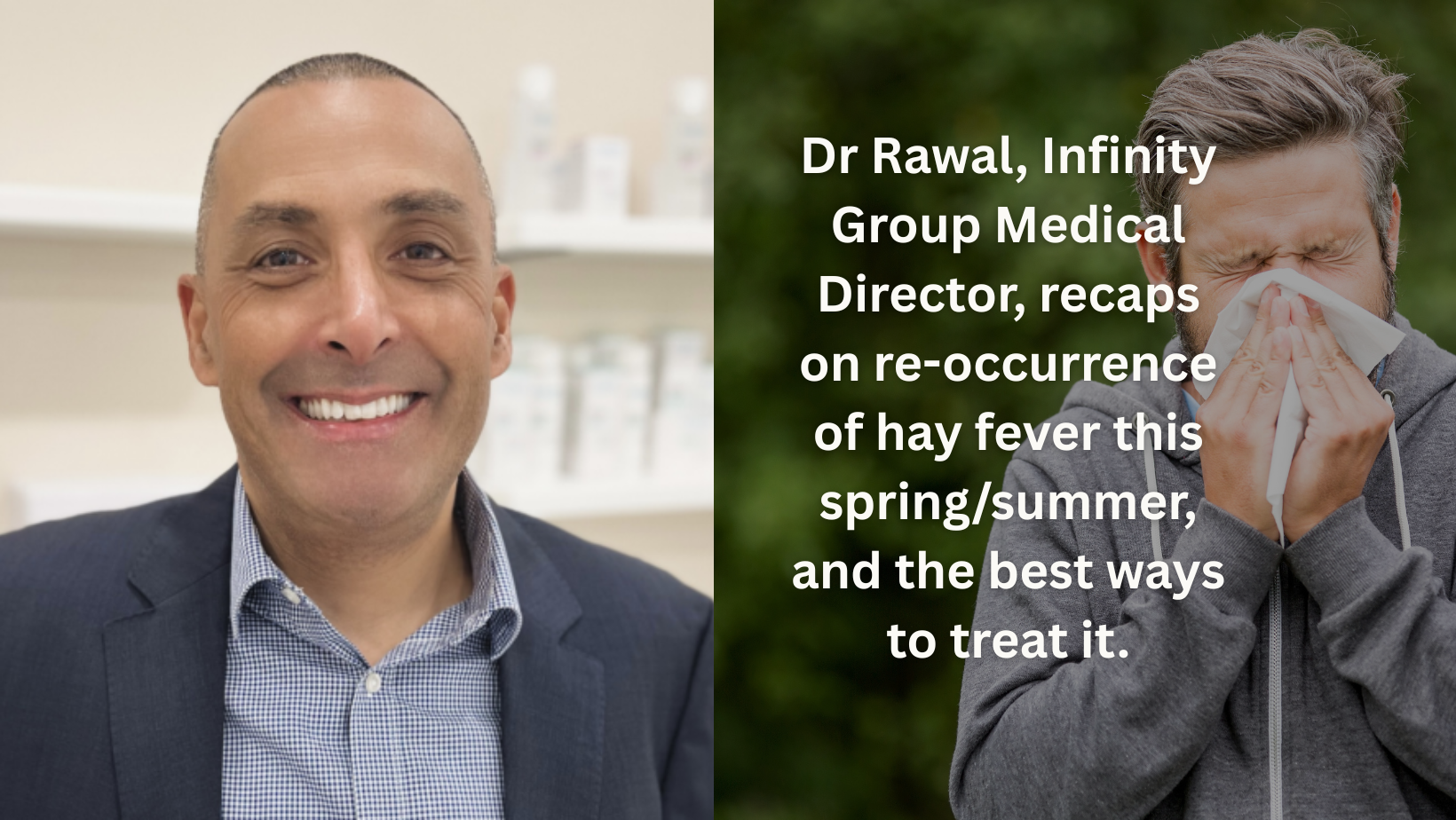
Dr Rawal, Infinity Group Medical Director, recaps on re-occurrence of hay fever this spring/summer, and the best ways to treat it.
I know we covered this last year, but this late spring seems to have affected hayfever sufferers really badly and all of a sudden, so just a recap.
Hay fever, also known as allergic rhinitis, is a common allergic condition caused when the immune system overreacts to airborne allergens such as pollen from trees, grasses, and weeds.
Why two hours of strength training is the ultimate longevity tool.
If you still think strength training is only for gym fanatics who enjoy lifting heavy objects for fun, it may be time for a rethink. Research from Harvard University, published in the British Journal of Sports Medicine, followed more than 147,000 adults over 30 years and found that just 90 to 120 minutes of strength training a week was linked to a 13 per cent lower risk of premature death, a 19 per cent lower risk of death from heart disease and a 27 per cent lower risk of death from neurological conditions.
Motivation is not magic and your brain knows it.
If you have spent hours waiting for motivation to arrive like a glamorous celebrity running fashionably late, neuroscience has some slightly rude news for you. Researchers increasingly believe that motivation is not what gets you moving in the first place. In many cases, movement itself creates motivation.